
The Geyser
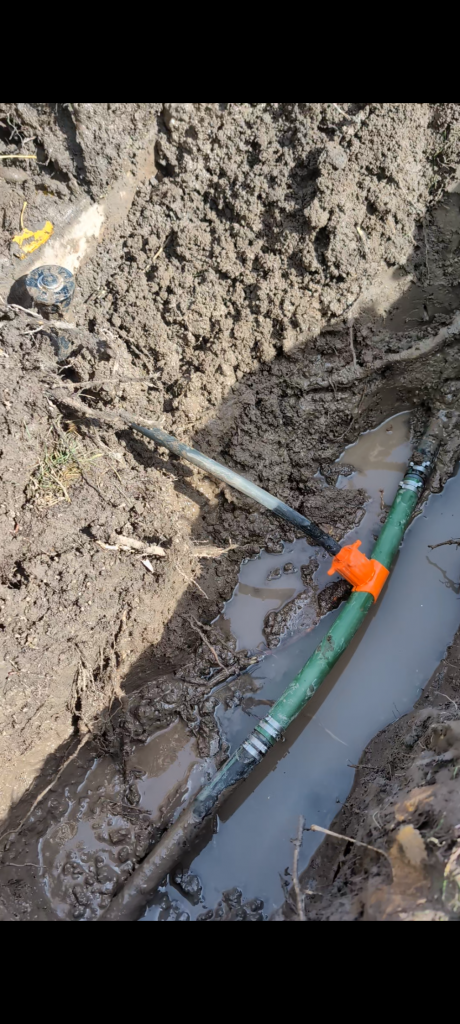
It’s mid-July, the sun is beating down, and you’re standing in a six-inch-deep hole staring at a geyser shooting up from the mud. A 1-inch poly line saddle or fitting has busted, and the homeowner is watching from the window.
Most DIYers—and even some sprinkler techs—would spend the next two hours digging a giant crater with a standard garden spade just to reach a ten-minute fix. But as a pro, you know that the difference between a “muddy nightmare” and a clean, profitable repair comes down to what’s in your hands. After 20 years in the field, I’ve learned that the wrong tool doesn’t just waste time; it leads to leaky fittings and frustrating callbacks.
Today, I’m opening my toolbox to show you the three essential tools I use to get the job done right the first time.
1. The Foundation: Dawn Industries Orange Pipe Cutters
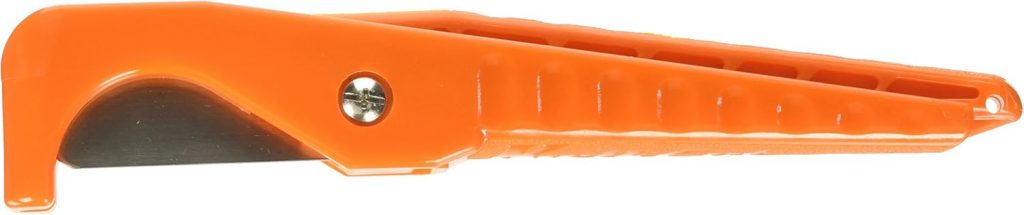
In irrigation, a jagged cut is the enemy of a watertight seal. If you’re still using a hacksaw or a dull utility knife, you’re leaving burrs that will eventually compromise your fittings.
I swear by the Dawn Industries KwikCut Orange Cutters.
- The Pro Advantage: These aren’t your cheap, big-box store plastic cutters. They feature a high-carbon stainless steel blade that slices through poly pipe like butter. Plus, the blades are replaceable and resharpenable.
- Why it Matters: The “Orange” model is designed for one-handed operation, and it’s the perfect size for any residential irrigation system. The black-handled cutters are nice for 2-inch plus pipe, but they are a pain to use with 1/2-inch to 1-inch pipe. I’d stick with the orange.
Pro Tip: Always wipe the mud off your pipe before cutting. It keeps the blade sharp longer and ensures the clamp seats perfectly against the material.
[Check Price on Amazon: Dawn Industries KwikCut Pipe Cutters]
2. The Connection: Dawn Kwiktools 12″ Pinch Clamp Crimper
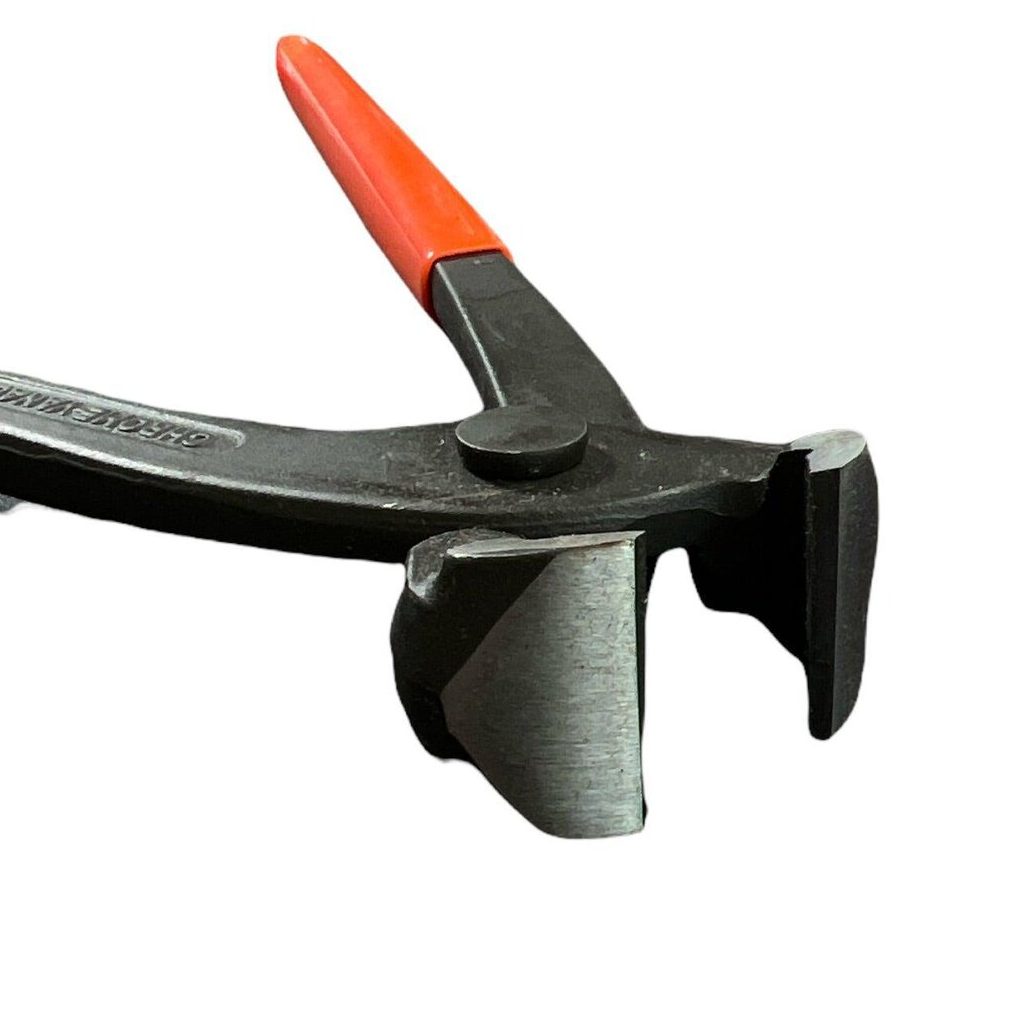
Once the pipe is cut, the connection is only as good as the crimp. For poly pipe repairs, you need a tool that provides consistent, heavy-duty pressure. I never leave the shop without the Dawn Kwiktools 12-inch Crimper.
- Mechanical Leverage: Short-handled crimpers require too much muscle when you’re working at awkward angles. Look, if you have forearms like Popeye, then by all means, go with the 9-inch model. But for the rest of us, your forearms will thank you for spending the extra dollar or two on the 12-inch model. It provides the added leverage needed to “click” stainless steel pinch clamps into place with confidence.
- Why it Matters: Screw clamps can fail over time. A professional-grade pinch clamp, applied with this 12-inch tool, creates a 360-degree permanent seal that won’t back off when the ground freezes and thaws.
- Where to find it: Amazon carries the 8-inch, but not the 12-inch model, so I usually go to Site One Landscape Supply for the 12-inch version. I don’t have an affiliate partnership with Site One—I just prefer the tool. If you find it somewhere else, let me know in the comments!
3. The Excavator: Structron S800
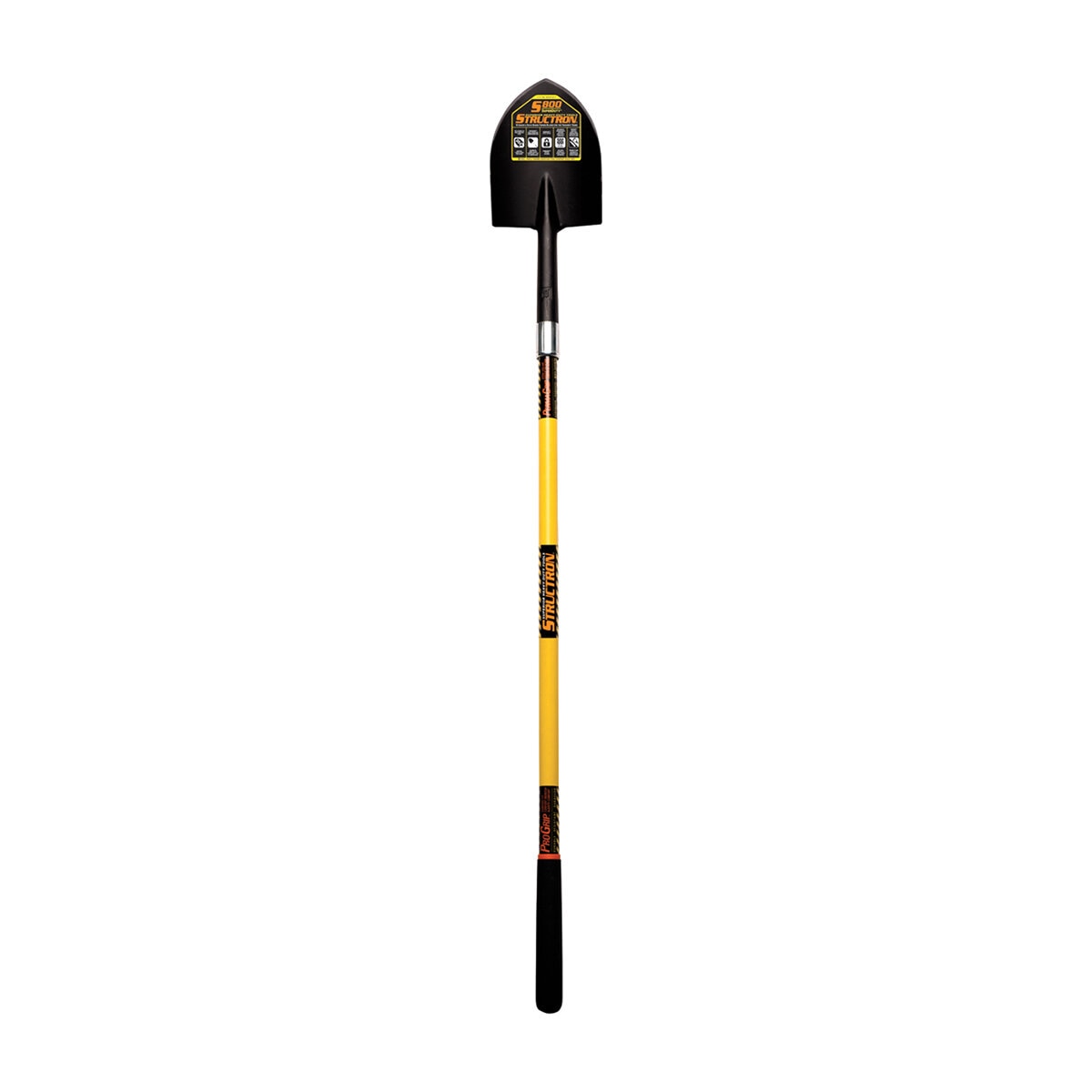
You’ll notice my truck always has a Structron S800 Closed Back Shovel. It’s a 10-gauge steel spade with a 48-inch fiberglass handle. The closed back is the “secret sauce”—it prevents mud from getting stuck in the “frog” of the shovel, which keeps the tool light even in wet clay. It even comes with a warranty, so you don’t have to worry about getting a faulty tool.
Since the S800 can be hard to find on Amazon, you can find it at Site One Landscape Supply as well. I have no affiliate partnership with Site One.
- Why not a large spade? A standard spade is too wide. You want a 5-to-7-inch head to keep your repair holes tight and neat. Less dirt moved means less time spent digging and less dirt to pack back in, preventing those ugly “sunken spots” in a client’s lawn three weeks later.
Build a Better Bag
Investing in professional-grade tools like Dawn cutters or Structron shovels isn’t about “showing off”—it’s about efficiency. When you reduce your repair time, those tools pay for themselves.
What’s the one tool in your bag you’d never go to a job site without? Maybe it’s an old-school adjustment key or a specific pair of pliers? Drop a comment below and let’s talk shop—I’m always looking to see what other pros are running in their tool bags.